
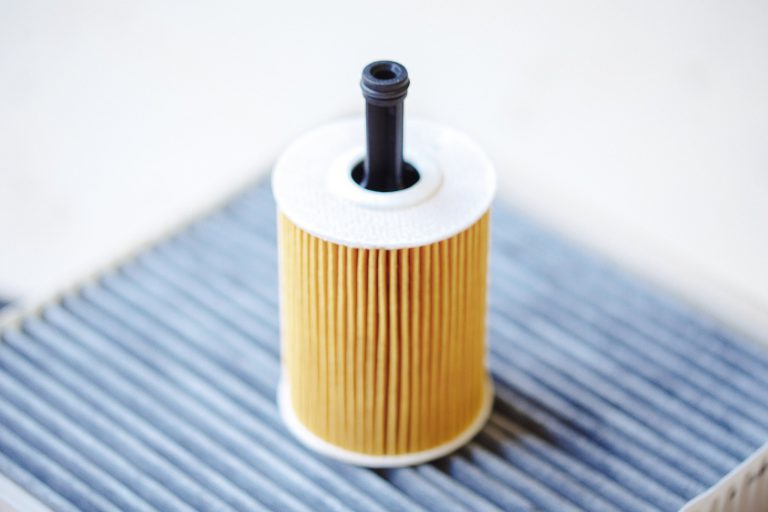
In short: the engine breather (crankcase ventilation, PCV valve) returns blow-by gases from the crankcase to the intake. When the breather blocks or the valve diaphragm fails, the typical symptoms are whistling, oil leaks, a rough idle and the check engine light. Have it fixed soon, because overpressure can damage seals.
What is the crankcase breather?
When the engine runs, some combustion gases leak past the piston rings into the crankcase. The breather leads these gases back to the intake manifold to be burnt and separates the oil from them. In modern engines the breather often has an oil separator and a diaphragm valve (PCV valve) that regulates the crankcase pressure.
Symptoms of a blocked or broken breather
- Whistling or howling from the engine bay at idle
- Oil leaks from seals, for example the valve cover, camshaft or crankshaft seals – the overpressure pushes oil out
- Rough idle or the engine stalling
- Check engine light and mixture fault codes (e.g. “system too lean”)
- The oil filler cap is sucked tight or hard to open with the engine running
- Oil consumption rises and there may be bluish smoke from the exhaust
- Oil in the intake pipe, turbo pipes or intercooler
In winter the breather can freeze
In Finnish sub-zero temperatures, condensation can collect in the breather hose and freeze, especially on short trips. A blocked breather raises the crankcase pressure, and at worst oil starts leaking from the dipstick tube or seals. If you see a pale, mayonnaise-like sludge under the oil filler cap, the engine is not warming up properly. Longer drives and an engine block heater help.
In which cars is the fault common?
Breather and PCV valve faults are seen in almost all makes. In Volkswagen Group cars the fault is well known especially in the 1.8 and 2.0 TSI/TFSI engines (EA888), where the PCV valve sits on the side of the cylinder head. In diesel engines, too, the oil separator and breather hoses can block. Do the symptoms sound familiar? We check the breather and the fault memory during diagnostics.
Repair
The repair is usually a replacement of the breather or PCV valve and, if needed, the hoses. At the same time we check whether seals damaged by the overpressure have started to leak, and clear the fault codes after the repair. Once the cause is fixed, the leaks and idle problems usually stop as well.
Read also
Frequently asked questions
Can I drive with a broken breather?
For a short while yes, but have it fixed soon. Crankcase overpressure can damage seals, increase oil consumption and cause oil leaks that cost more to repair than the breather.
How do I know the breather is blocked?
Typical signs are whistling at idle, oil leaks, rough running and mixture fault codes. We confirm the fault by measuring the crankcase pressure and reading the fault codes.
Why does the breather freeze in winter?
On short trips the engine does not warm up and water condenses in the crankcase. In freezing weather the water freezes in the breather hose and blocks it. Longer drives and using an engine block heater reduce the problem.
How much does a breather replacement cost?
It depends on the engine and where the breather is located. Tell us your registration number and we will give you an exact quote.
Book a service or ask for a quote
Call or WhatsApp +358 40 196 8989 or email huolto@ivera.fi. Tell us your registration number and we will give you an accurate price estimate. We answer Mon–Fri 8–17 – in Finnish and English.